Introduction
Car accidents are unfortunate events that can lead to significant physical, emotional, and financial repercussions. Understanding liability in car accident cases is crucial, as it determines who is at fault and who will bear the costs associated with injuries and damages. In this article, we will delve into the concept of liability, the various factors that influence it, the roles of car accident lawyers, accident law firms, and accident attorneys, and what individuals should do if they find themselves involved in a car accident.
What is Liability?
Liability refers to the legal responsibility one party has concerning the injuries and damages caused to another party. In car accident cases, determining liability is essential for wrongful death claims, personal injury claims, and property damage claims. It establishes who will be held accountable for the incurred losses.
Types of Liability
Liability in car accident cases can generally be divided into two categories:
- Fault-Based Liability: This is when the at-fault party is directly responsible for the accident, either due to negligent actions such as distracted driving, speeding, or driving under the influence. No-Fault Liability: In some states, a no-fault system is implemented. Here, regardless of who is at fault, each party’s insurance covers their own injuries and damages up to a specified limit.
Establishing Liability in Car Accident Cases
Creating a strong case for liability involves several steps and requires thorough evidence collection. Here are some essential factors to consider:
1. Evidence Collection
Gathering evidence at the scene of the accident is vital. Valuable pieces of information can include:
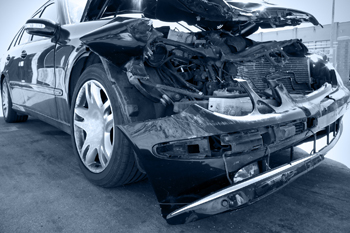
- Police Reports: Contact local law enforcement to file an accident report. This document can be pivotal in establishing liability. Witness Statements: Eyewitness accounts can provide an unbiased perspective on the events leading to the accident. Photographs: Taking pictures of the accident scene, vehicle damages, and skid marks can help illustrate the circumstances of the crash.
2. Traffic Laws and Regulations
Understanding local traffic laws can play a significant role in determining liability. If a driver violates a traffic law (like running a red light), this could establish negligence. Your car accident lawyer will refer to these laws to strengthen your case.
3. Comparative and Contributory Negligence
Different states have varying laws regarding negligence. Understanding these terms is vital:
- Comparative Negligence: In many states, if you are partially at fault, your compensation may be reduced by your percentage of fault. Contributory Negligence: Some states disallow recovery if the injured party is found to have any fault in the accident.
The Role of Car Accident Lawyers
When navigating the complexities of liability in car accident cases, seeking the guidance of car accident lawyers is essential. They specialize in the legalities surrounding car accidents, dealing with insurance companies, and advocating for your rights.
How Car Accident Lawyers Can Help
Engaging a car accident lawyer offers numerous benefits:
- Expertise: They possess extensive knowledge of accident law and can help navigate the legal landscape to build a strong case. Negotiation Skills: With experience in dealing with insurance companies, lawyers can negotiate settlements that reflect the true value of your damages. Litigation Support: If a case goes to court, a lawyer will represent you, ensuring that your rights are protected throughout the entire legal process.
Insurance Considerations
Insurance plays a critical role in car accident cases. Understanding how liability affects insurance claims can help you file your claim more effectively.
1. Types of Car Insurance
In most areas, several types of insurance exist to cover damages:
- Liability Insurance: This covers damages to another party if you are at fault in the accident. Collision Insurance: It pays for damages to your own vehicle, regardless of fault. Personal Injury Protection (PIP): PIP covers medical expenses, rehabilitation, and, in some cases, lost wages incurred due to the accident.
2. Dealing with Insurance Adjusters
Insurance adjusters work for the insurance company and may attempt to minimize the payout. Knowing how to effectively communicate and negotiate with personal injury legal support them is crucial. Here are some tips:
- Do not admit fault: Even if you believe you may be partially at fault, do not make any statements that could be construed as admitting liability. Document Everything: Keep records of all correspondence with the insurance company and maintain all medical and repair bills.
Finding an Accident Law Firm
Navigating the maze of liability in car accident cases often requires specialized knowledge. As such, selecting the right accident law firm is vital to ensuring your rights are protected. Here are steps to finding the right fit:
1. Research Local Firms
Start your search for a reputable accident law firm by checking online reviews and ratings. Look for firms that have a proven track record in handling car accident cases.
2. Consultations
Most firms offer free consultations. Utilize this opportunity to ask questions about their experience, fees, and approach to handling your case.
3. Consider Specializations
Ensure that the firm specializes in personal injury and car accident law, as their knowledge in this specific area is crucial for the success of your case.
The Importance of Accident Attorneys
Accident attorneys play a critical role in the aftermath of a car accident. Hire a personal injury attorney They not only provide legal support but also advocate for your needs during challenging times.
1. Legal Representation
Attorneys provide essential representation in negotiations with insurance companies and during court proceedings, helping to ensure that your case receives the attention it deserves.
2. Emotional Support
The aftermath of a car accident can be overwhelming. Accident attorneys understand the emotional toll and provide support throughout the process, reassuring clients that they are not alone.
Conclusion
Understanding liability in car accident cases is critical for securing the compensation you deserve. It encompasses various elements, including evidence collection, insurance policies, and state laws on negligence. By partnering with a knowledgeable car accident lawyer or accident attorney, you can navigate the complexities of the legal system, ensuring your rights are upheld. Whether through negotiations with insurance companies or court representation, they play an indispensable role in the pursuit of justice and compensation following a car accident.